

Click here to add your review


Very good condition even after all the rain this week. Some greens can be a real challenge!
Thanks Bill

Thanks very much Bettany, we really appreciate your review.

Thanks for your nice review, glad you enjoyed Howth

Thank you Pat, it was nice meeting you today

Thanks Peter, great review

Thank you Maura

Thanks Jamie we enjoyed having you all here today

Thanks a million Mark, appreciate your great review

Thanks Andy, really appreciate your feedback and so glad you enjoyed Howth

I totally recommend it.
It was a pleasure having you here James. Hope you enjoy the rest of your stay here in Ireland as much as you did Howth.

Thanks Killian, glad you enjoyed Howth Golf Club.

Great meeting you today Bob, you’re most welcome back any time

Had a great front 9 and ok back 9 but thoroughly enjoyed it
Thank you very much Logan.
It was an absolutely glorious day, glad you enjoyed Howth!

Thank you Clyde, it’s nice to see your appreciation of the wonder that is Howth!

Thanks Jane, so happy you enjoyed Howth

Thank you very much Len, it was a pleasure having you visit us

Hi Michael, it was a pleasure having you here at Howth Golf Club today
Thank you

Thanks James, it was a lovely day and the course was magnificent. It was very nice to meet you also and you are all welcome back anytime

Thanks Paul!

What a wonderful review, thank you Rosie, glad you and your husband had a great time. Looking forward to seeing you both soon

Hi again Lars, thank you very much, I must say you and your friends were great fun! Looking forward to next year already!!!

Thanks David, really nice review

Thanks Hugh, it’s a really special place, that’s for sure

Great view Sandra, thanks so much

Hi Tom
Nice to meet you and your friends yesterday. Thank you for your review. All the team here at Howth are happy you had an enjoyable day with us. Hopefully see you all again next year!


Great meeting you Tim, thanks for the positive feedback. Enjoy the rest of your vacation.

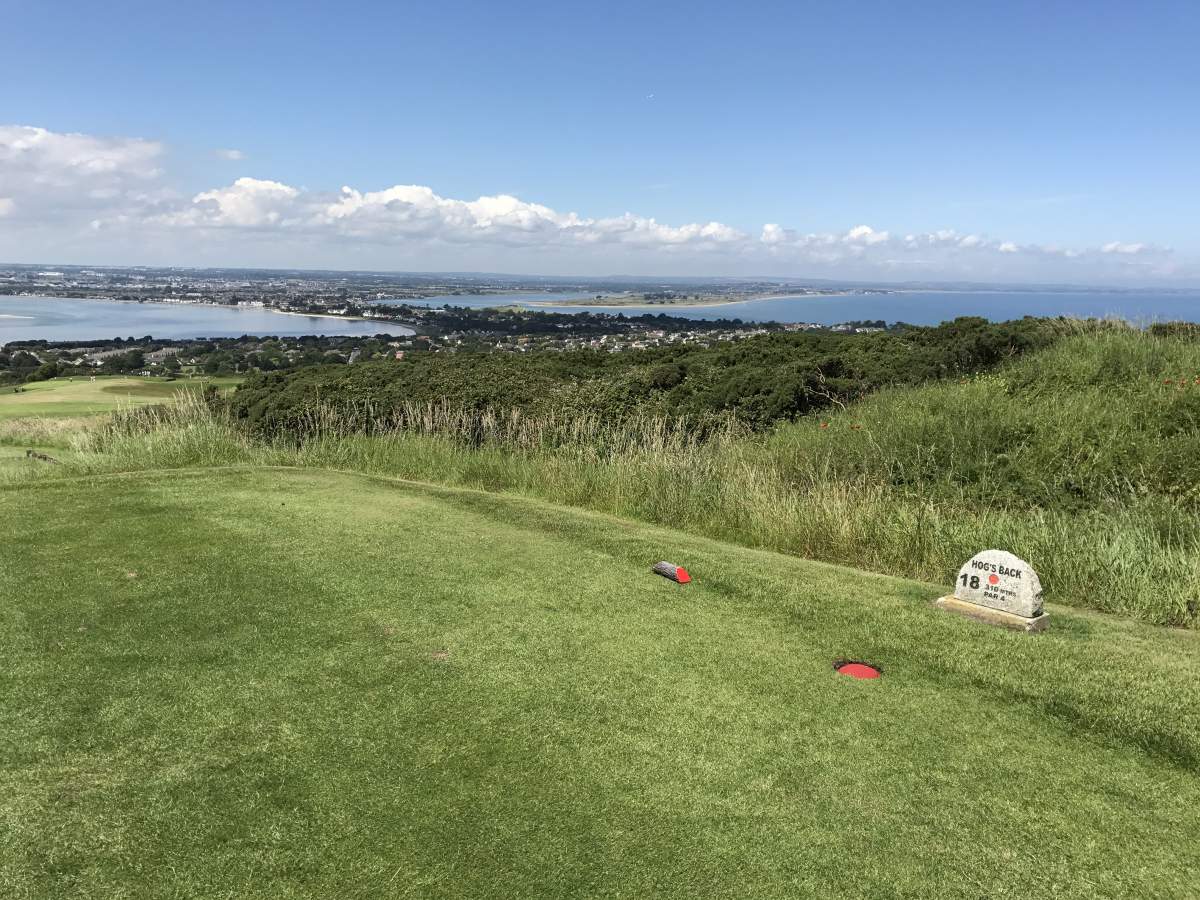
The views were fab…. …More
Nice meeting you today Gordan, hope you enjoy the rest of your stay in Dublin and thanks for the wonderful review. Enjoy the Guinness!!!!!!!!!!

Thank you Louis, I remember that nice brisk day! Glad you enjoyed Howth Golf Club

Thank you

Thank you Pam, it was great meeting you both

Mmmmmm what a day! What a course!!!
Thank you Howth, we loved every minute of our time a Howth today, we’ll be back for another 10 rounds and more
Vic and Bob – USA
What a very nice review, thank you both, let me know when you want to come back to Howth Golf Club, we’ll be very happy to look after you again

Thanks Derek, appreciate the nice review

Hi Paul
Glad you enjoyed your time at Howth Golf Club. Hope to see you again soon

Glad your group enjoyed Howth Jason, thank you for the nice review and hope to see you again

Thank you Claudia, glad you enjoy Howth and all we offer

Highly recommended.
Thank you very much, it nice to know you enjoyed your time at Howth

Thanks Eden and great round, well done! Your brother will be looking over his shoulder

Thanks Grahame, great review!

Thank you

Thanks all
Thank you

Thanks Per, it was an absolute pleasure

Thanks John,
Loved having you visit us and glad you enjoyed the Howth Golf Club experience.
You are very welcome back any time.
HGC Team

It was a pleasure welcoming you to Howth Golf Club and we are very happy that you enjoyed the course
Thank you

Thank you Cathal, we are happy you enjoyed the course and the beautiful views here at Howth Golf Club

Thank you John, it was an absolute pleasure looking after both of you and having 2 esteemed golfers of your caliber was an honor.

Nice meeting you both, great round also for your fist time at Howth Golf Club.

Thank you very much Gerard!

Thank you

Thanks Bernard, appreciate your kind review!

Thanks Terry, glad you enjoyed Howth

Thank you Ben, happy that you enjoyed the course here at Howth Golf Club

Thanks Denis, appreciate your nice review

Thanks Steve, it was a pleasure having you here today, glad you all enjoyed Howth

Looking forward to seeing you in July Peter!
Pleasure as always

Thank you

Thanks Ben, appreciate your nice review

Thank you

Thank you

Thanks Guys, glad to share our beautiful golf course with you

Thanks Ian, we have sent the crested ball onto you, glad you had a nice time here at Howth Golf Club

Thank you

Thank you

Thanks Girls, it was nice meeting you both yesterday and happy you enjoyed the golf course.


Thank you very much Liz, glad you like Howth!

Thank you Rizwan
Happy Christmas!


Thank you very much Katiuscia, so glad you enjoyed Howth.


Thanks William, so glad you enjoyed Howth Golf Club


Thanks Matthew, appreciate your review

Thanks Janno, glad you like Howth

Thank you Larry, glad you enjoyed Howth

Thank you Andrej, so glad you enjoyed Howth

Thanks Trev, appreciate the kind review


Thank you so much Fiona, very nice review

Thanks for the nice review Pablo, We appreciate your feed back, thanks

Thank you Muiris, you rating is very much appreciated


Thanks for taking the time to rate us John,
Much appreciated

Hi Yvonne,
Thank you for your great review!


Thank you for your rating, we are glad you enjoyed your time here at Howth Golf Club


Thank you


Thank you


Thank you Peter, much appreciated

Thanks Stefan, really appreciate your review

Thank you very much

(Translated by Google) Super perfect location
(Original)
Super parfait le lieu
Thank you


Thank you

Thanks Michael, great feedback!

Thank you very much Sebastian, we really appreciate your kind feedback!


Thank you

Thank you

Thanks Jeff, they are beautiful


Thank you Alberto

Thanks Bleadon, nice review

Thank you Tony for you nice review

Thanks Paddy, appreciate your review

Thanks Daniel and Holiday greetings to you

Thank you Diego

Thank you Will, hope to see you playing Howth Golf Course soon


Thank you Albrecht

Thank you Angela, really appreciate you review

Thanks Marcelo

(Translated by Google) incredible setting!
(Original)
cadre incroyable !


Hello Hermann, I’m sorry you didn’t enjoy Howth. If you would like to email me I will be glad to see if I can rectify the situation to your satisfaction.
gm@howthgolfclub.ie